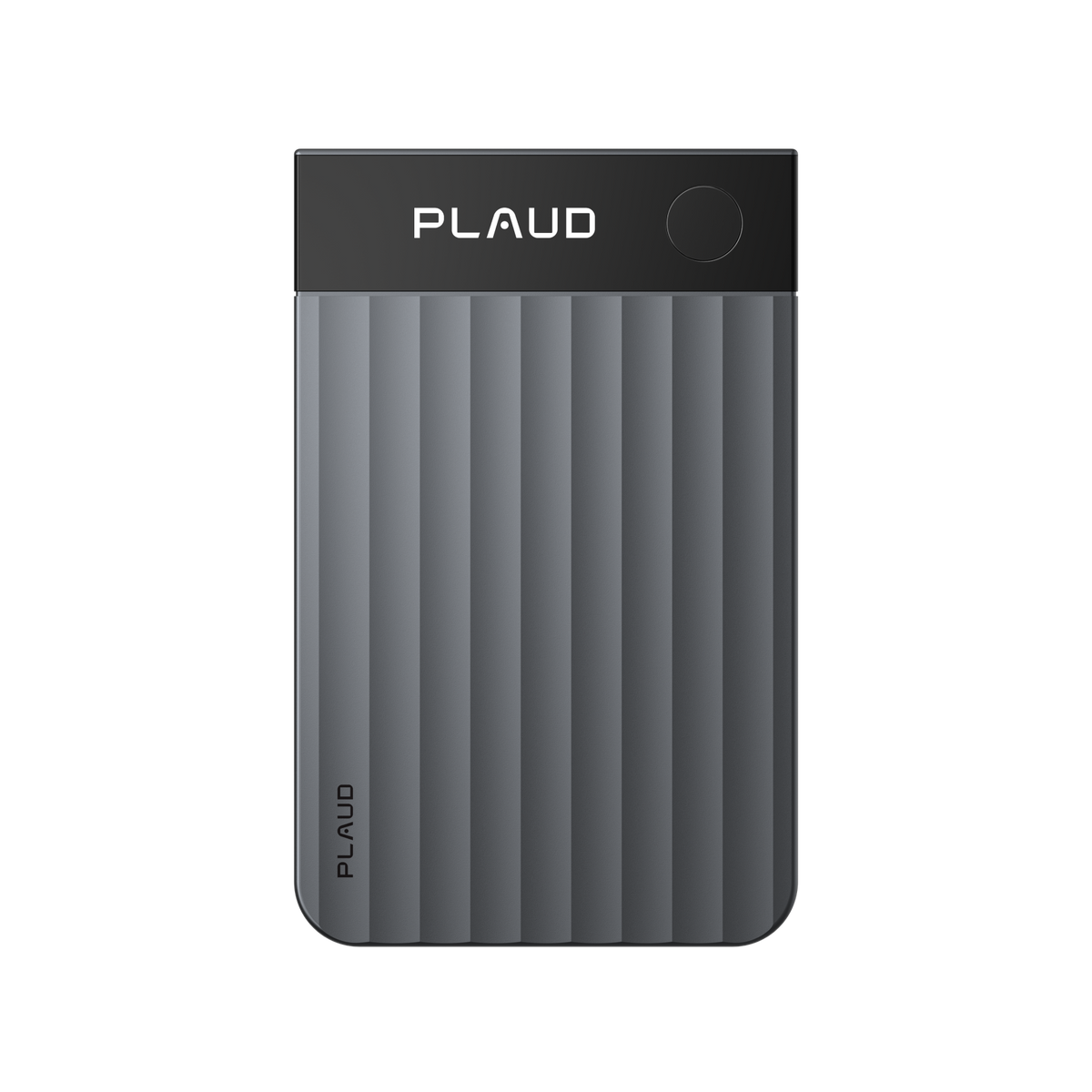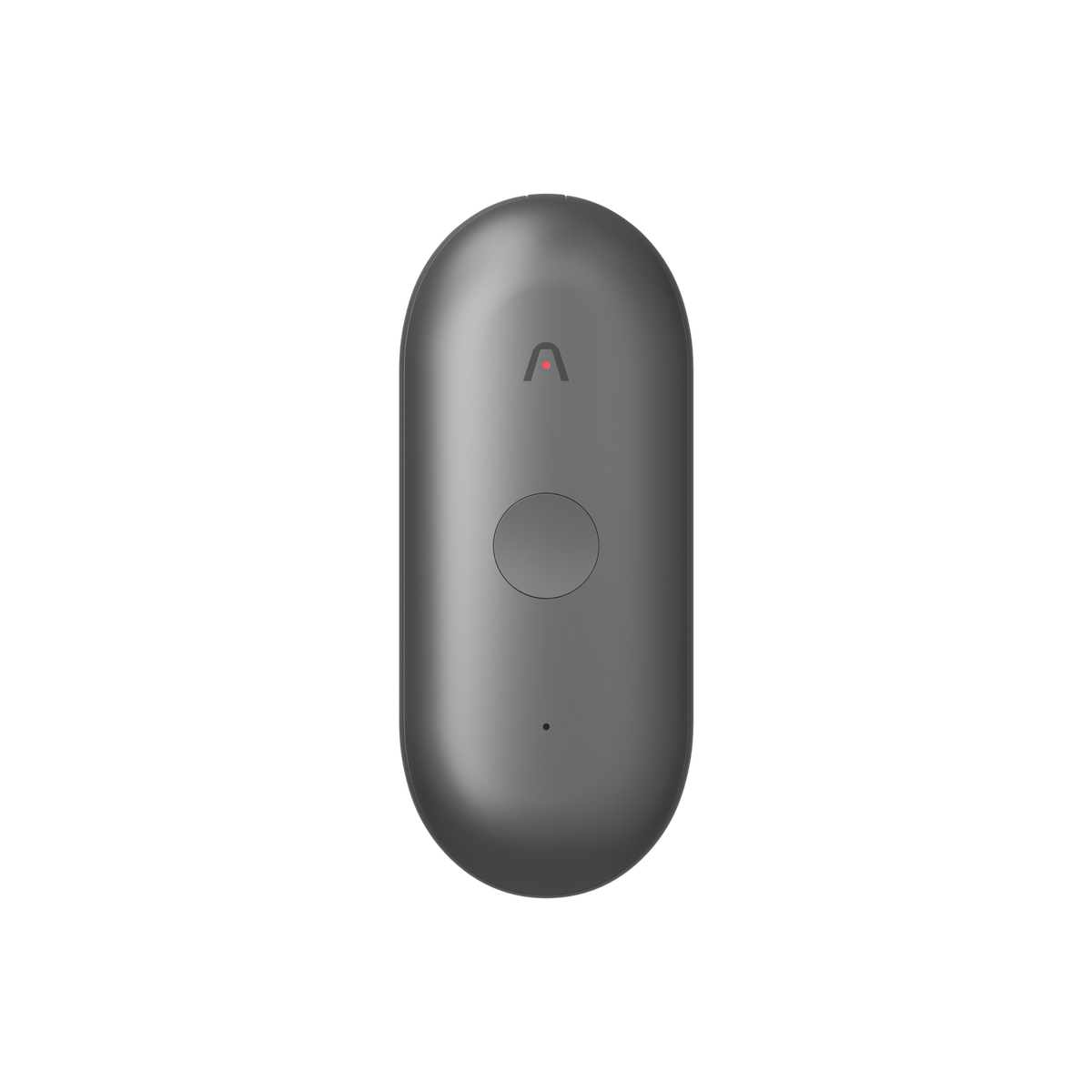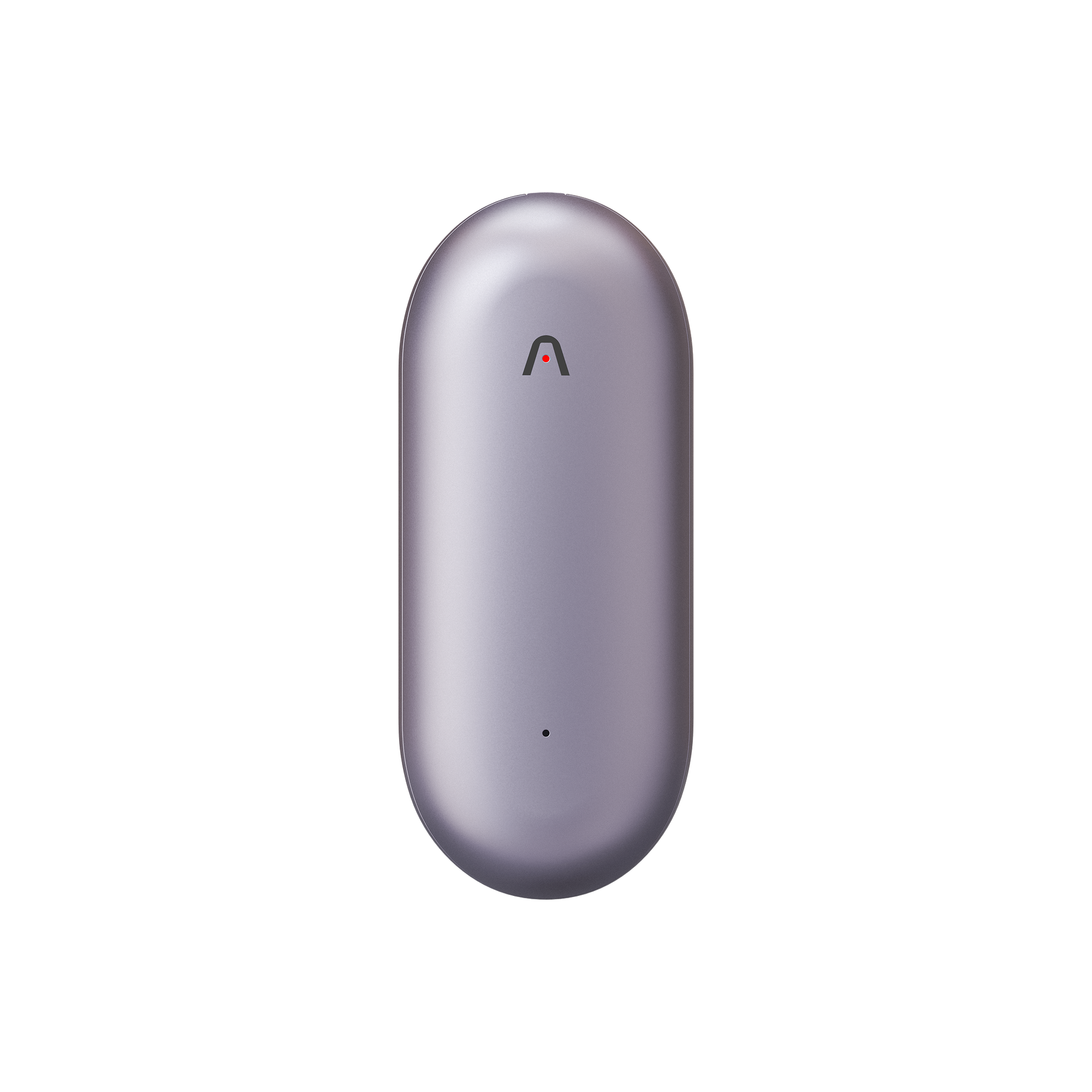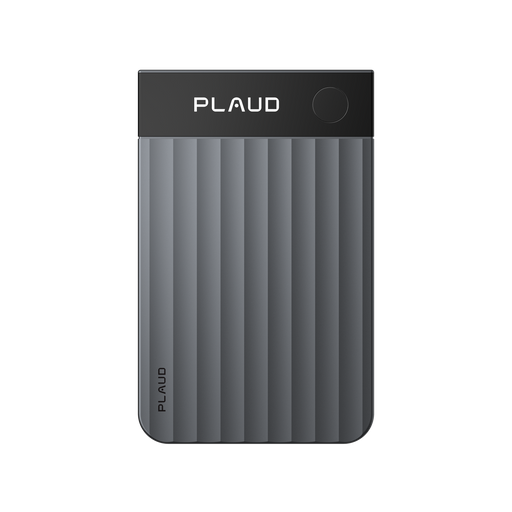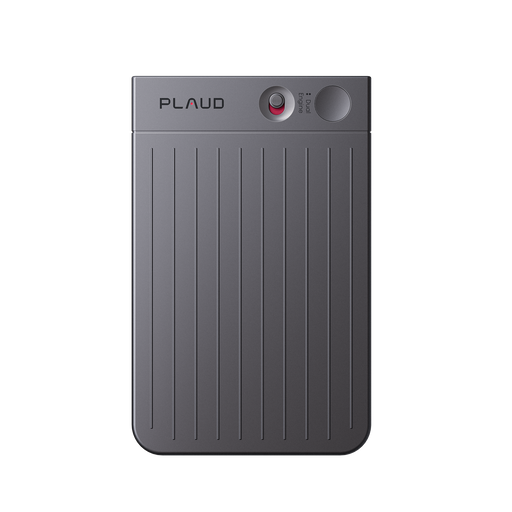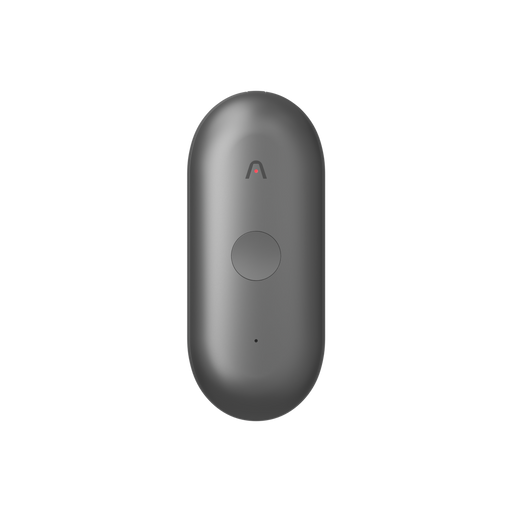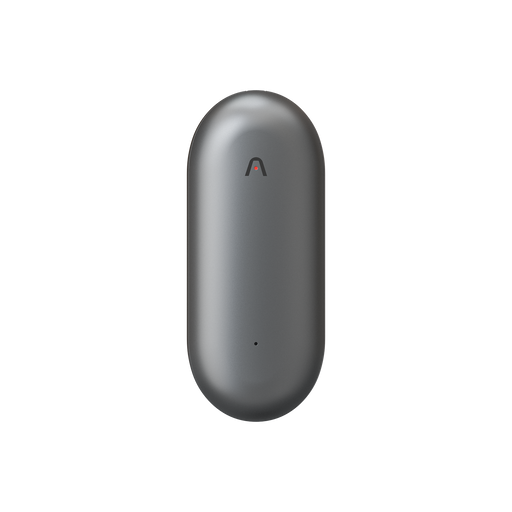


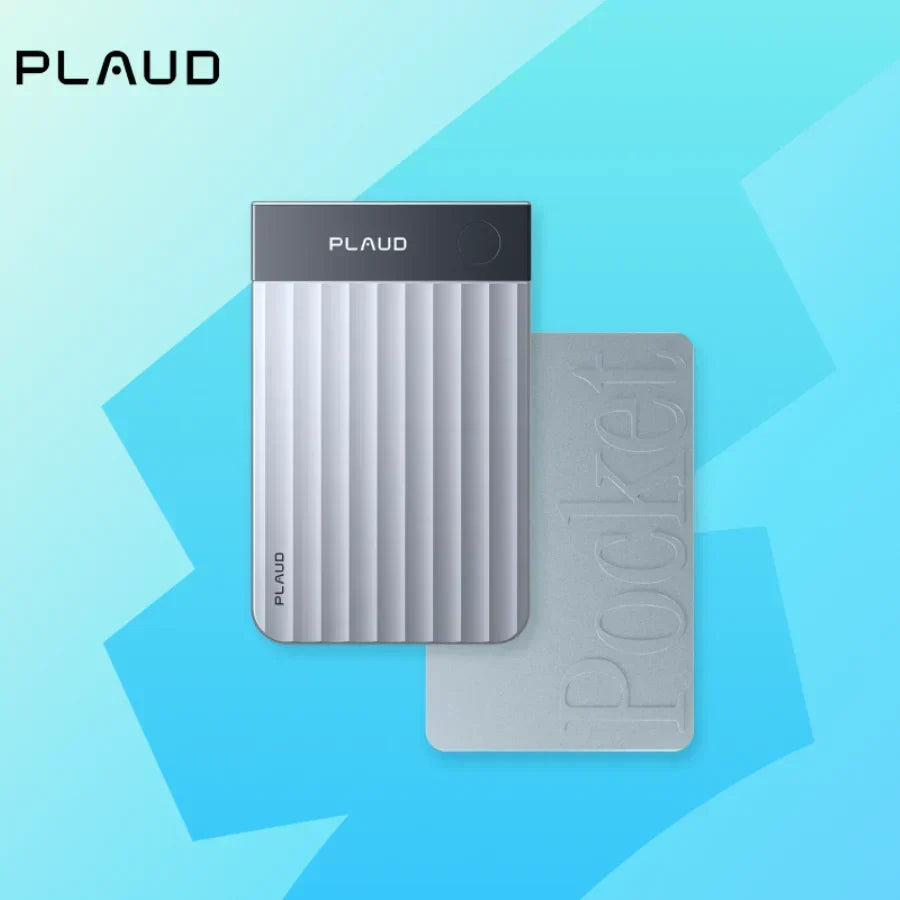

Abaixo, vamos analisar as diferenças entre estes dois dispositivos de apontamentos com IA para o ajudar a escolher o mais indicado.
Para além do preço, ambos os dispositivos são muito semelhantes (o Pocket é mais barato). No entanto, existem várias diferenças nas letras pequenas. Por exemplo, a bateria do Pocket dura apenas quatro dias, enquanto a do Plaud Note dura 30 horas de gravação contínua ou 60 dias em espera.
O Plaud tem também um plano gratuito muito mais generoso, que inclui as suas funcionalidades principais de produtividade com IA e ferramentas automatizadas. Quase todas as funcionalidades de IA do Pocket estão bloqueadas por uma subscrição de 20 $/mês.
Há muito a considerar e analisaremos os detalhes abaixo. Mas, no geral, achamos que o Plaud é a melhor escolha (surpresa!) se precisa de gravar ou tirar notas com frequência. Se deseja transcrição precisa e automática, entradas multimodais, etiquetas de orador e modelos personalizados, obtém tudo isso com o Plaud para toda a vida, por um preço único.
O Pocket é adequado para fazer listas pessoais ou gravar oradores individuais quando não precisa de gravar frequentemente.
Basicamente, se estiver a fazer uma lista de compras ou a lançar ideias para o seu próximo projeto mundial, o Pocket é suficiente. Mas para casos de utilização profissional (ou se quiser acesso a funcionalidades de IA), o Plaud é o vencedor claro.
Continue a ler para descobrir porquê.
Pocket vs. Plaud: qual é o melhor gravador de voz?

O Plaud e o Pocket são ambos gravadores de voz com IA para transcrição, resumos e notas mais inteligentes. O Plaud é um dispositivo de gama mais alta destinado a ambientes profissionais ou de sala de aula, enquanto o Pocket é mais para a tomada de notas geral e diária.
À primeira vista parecem semelhantes, mas depois de os utilizar, é fácil perceber que o Plaud foi concebido para um trabalho profissional e real, enquanto o Pocket foi concebido para uma utilização casual e ocasional.
Por exemplo, uma vantagem do Plaud é dar-lhe acesso a mais funcionalidades de IA no Plano Inicial Plaud (resumos automáticos, identificação de oradores e mais), juntamente com uma qualidade de transcrição fiável. Isso será útil quando estiver a analisar notas de reuniões ou áudio de palestras.
Aqui fica um exemplo da utilização do Plaud num contexto empresarial:
Tem uma reunião com um cliente importante e estão quatro oradores na sala. O Plaud consegue identificar cada orador e aplicar etiquetas de orador no Plano Inicial Plaud. O Pocket tem dificuldade em determinar quem disse o quê e, se quiser adicionar etiquetas de orador, terá um custo adicional de 20 $.
Quatro meses depois, quer aceder às mesmas notas da reunião. No Plaud, estarão à sua espera no seu armazenamento em nuvem seguro do Plaud (basta utilizar a aplicação Plaud). No Pocket, poderão ter desaparecido, porque o plano gratuito apenas mantém os resumos durante 30 dias. Quer um histórico em nuvem ilimitado? Isso custará 20 $.
Não nos interprete mal, o Pocket é excelente naquilo que faz. Faz sentido se tiver um orçamento limitado e apenas quiser capturar ideias rápidas e listas. Faz até um trabalho decente com notas de palestras, porque normalmente só há uma pessoa a falar.
No geral, o Pocket é excelente para resumir os seus pensamentos e torná-lo mais organizado. As funcionalidades de IA e os fluxos de trabalho automatizados do Plaud poupam-lhe tempo e tornam-no mais produtivo.
Leitura adicional: Se precisar de algumas dicas sobre como conduzir reuniões, temos um guia completo sobre o tema!
Comparação de funcionalidades entre o Pocket e o Plaud
O Pocket e o Plaud são dispositivos físicos de gravação que funcionam sem ligação à internet. Veja rapidamente as diferenças entre o Plaud e o Pocket na tabela abaixo.
| Funcionalidade | Plaud Note | |
|---|---|---|
| Peso | 30 g | 52 g |
| Espessura | 2,99 mm | 5 mm |
| Duração da bateria | 30 horas contínuas; 60 dias em espera | Quatro dias de uso ativo |
| Armazenamento do dispositivo | 64 GB | 64 GB |
| Histórico na nuvem | Ilimitado | 30 dias (no plano gratuito) |
| Microfone | 2 microfones MEMS + 1 sensor de condução por vibração (VCS) para uma captação clara em conversas e chamadas telefónicas | 2 microfones de estúdio + 1 microfone de contacto |
| Idiomas suportados | 112 idiomas | 120+ |
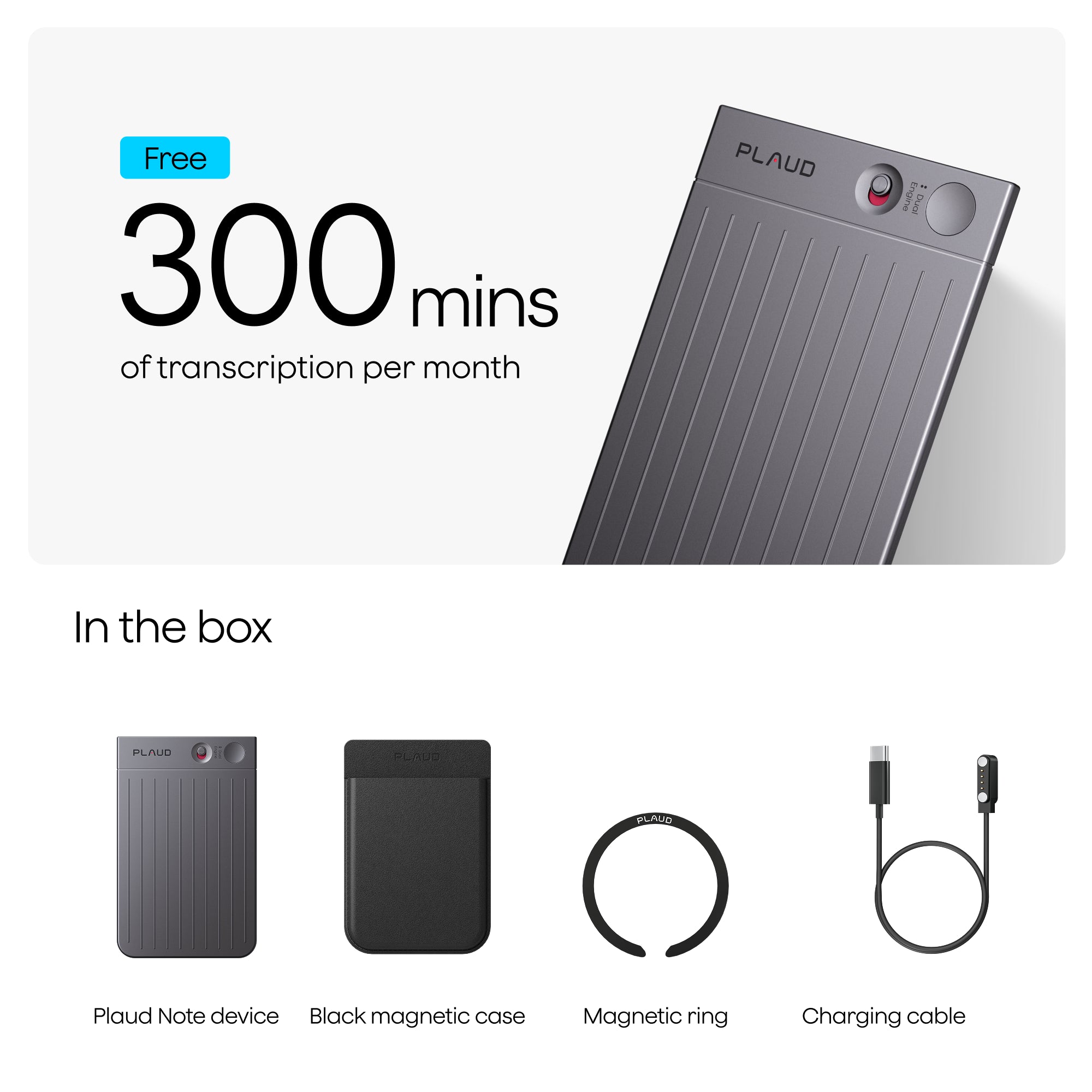
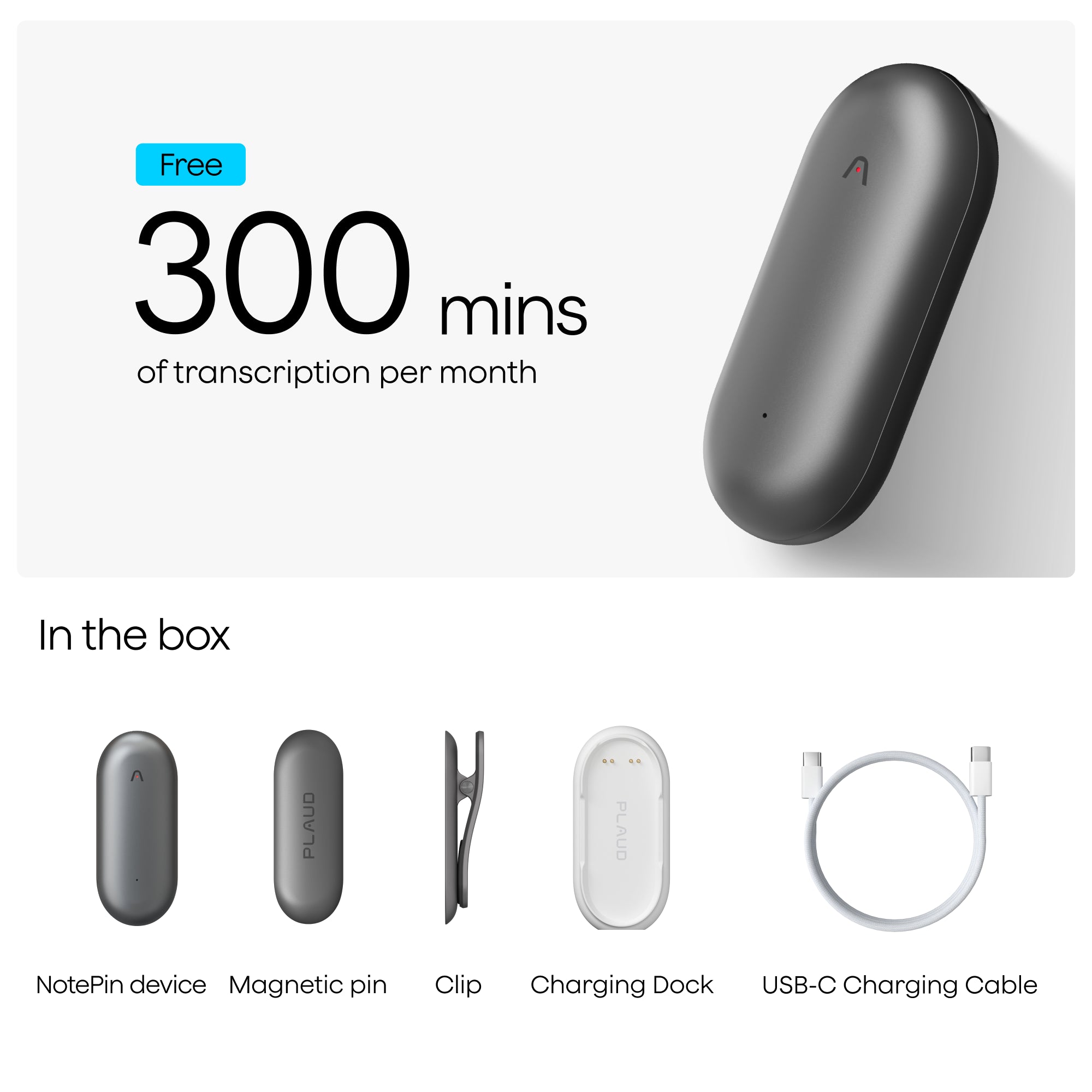
| Transcrição | 300 minutos de transcrição com IA incluídos no Plano Inicial Plaud | Transcrição ilimitada no plano gratuito (não automatizada) |
| Etiquetas de orador e separação de oradores por IA | Sim | Não incluído no plano gratuito |
| Entradas multimodais? | Sim (adicione fotografias, diapositivos, diagramas, etc. às suas notas) | Não |
| Modelos de IA | GPT-5.5, Gemini 3.1 Pro, Claude Sonnet 4.6 | GPT-5, Claude, Gemini |
| Fluxos de trabalho e modelos | Biblioteca com mais de 10.000 modelos personalizados | 5 estilos de resumo no plano gratuito (100+ no plano pago) |
| Resumos e insights | Resumos, notas e tarefas automáticas | Resumos, mapas mentais e tarefas automáticas |
| Privacidade e segurança de dados | Certificações ISO 27001, ISO 27701, SOC 2 Tipo II e EN 18031; em conformidade com o RGPD e desenvolvido para suportar fluxos de trabalho HIPAA | Sem certificações públicas listadas |
| Preço | 169,90 € | 199 $ (frequentemente com desconto para 99 $) |
Plaud vs. Pocket: análise completa
Vamos analisar os gravadores de voz Plaud e Pocket para ver o que torna cada um deles único.
O que é o Plaud?

O Plaud é um gravador de voz alimentado por IA concebido para gravar em todos os ambientes, incluindo reuniões online, chamadas telefónicas e conversas presenciais. Depois, transcreve automaticamente o áudio, adiciona etiquetas de orador, gera resumos e organiza tudo em notas estruturadas utilizando modelos.
O Plaud faz muito mais do que apenas gravar áudio. É feito para pessoas que gravam frequentemente e que precisam de utilizar essa informação mais tarde. É construído para interações do mundo real, como reuniões, entrevistas, palestras, sessões de terapia, ditado clínico e chamadas telefónicas.
Com o Plaud, não fica com uma pilha de ficheiros de áudio para ordenar no final de cada semana. Em vez disso, o Plaud transforma todas as suas gravações em transcrições pesquisáveis e notas formatadas. Para profissionais que gravam ou ditam frequentemente, isto poupa incontáveis horas.
Muitos utilizadores adoram o Plaud pela qualidade das suas transcrições e resumos, mesmo em salas difíceis. Um crítico chamou-lhe "assustadoramente preciso" e "extremamente simples" de utilizar logo após a caixa.

É um pouco mais caro que o Pocket, mas o Plaud é a escolha óbvia quando a precisão, a privacidade e a produtividade importam.
Porque adoramos o Plaud:
- Gravações de alta qualidade para conversas presenciais, reuniões online, chamadas telefónicas, gravações de campo e muito mais
- Transcrição automática com etiquetas de orador e carimbos de data/hora
- Resumos e notas automatizados, além de fluxos de trabalho pós-gravação com mais de 10.000 modelos personalizados
- 30 horas de gravação contínua e até 60 dias em espera
- Segurança de dados e encriptação fortes
- Entradas multimodais
- Aplicação para computador e telemóvel
- Um plano gratuito generoso que inclui as funcionalidades principais do Plaud Intelligence, modelos e armazenamento ilimitado na nuvem
- Vários dispositivos à escolha, incluindo Plaud Note Pro, Plaud Note, Plaud NotePin S e Plaud NotePin
Contras do Plaud:
- Apenas 300 minutos de transcrição no Plano Inicial Plaud
- Precisa de sincronizar com a aplicação após a gravação para utilizar as funcionalidades de IA
O que é o Pocket?

O Pocket é um dispositivo de apontamentos com IA mais casual focado em capturar notas de voz, ideias e conversas curtas na vida quotidiana e transformá-las em resumos ou pontos de ação.
Está posicionado como um "companheiro de pensamento" pessoal em vez de uma ferramenta de documentação profissional. Se tiver pouca memória, o Pocket pode ser uma boa ferramenta para ditar notas mentais (as gravações no Pocket são até chamadas de "memórias" na aplicação).
O Pocket inclui transcrição, resumos e mapas mentais ilimitados no plano gratuito, por isso pode começar a gravar o quanto quiser. No entanto, as coisas começam a complicar-se se quiser gravar vários oradores e lembrar-se de quem disse o quê mais tarde. As etiquetas de orador e a separação estão bloqueadas por uma subscrição.
Provavelmente ficará desiludido ao utilizá-lo também em situações profissionais. Praticamente todas as suas funcionalidades de IA avançadas e armazenamento requerem uma subscrição mensal (20 $). Nem a exportação em massa é permitida no plano gratuito.
Tem de exportar tediosamente as gravações uma a uma se quiser ver notas e resumos na aplicação.
Assim que as exporta, elas só permanecem durante 30 dias antes de o seu histórico ser limpo.
O preço inicial mais baixo do Pocket é uma vantagem se gravar apenas ocasionalmente. Mas depressa descobrirá que, sem uma subscrição, o Pocket é basicamente um gravador de voz tradicional que resume conversas (se se quiser dar ao trabalho de exportar manualmente uma a uma).
O Plaud, por outro lado, dá-lhe acesso às suas funcionalidades principais de IA no Plano Inicial Plaud.
O que gostamos no Pocket:
- Custo inicial mais baixo, especialmente com desconto
- Transcrição e resumos ilimitados no plano gratuito
- Bom para notas rápidas e organização pessoal
Contras do Pocket:
- Plano gratuito muito limitado (histórico de 30 dias, 2 consultas "Ask Pocket" por dia)
- Subscrição necessária para a maioria das funcionalidades de IA (19,99 $/mês ou 199 $/ano)
- Duração da bateria mais curta
- Mais grosso e pesado que o Plaud Note
- Menos adequado para gravação profissional ou regular
Comparação de funcionalidades de gravação de voz e apontamentos com IA
Abaixo, vamos comparar o Plaud e o Pocket funcionalidade a funcionalidade para explicar como cada ferramenta funciona no mundo real. Somos, obviamente, um pouco tendenciosos aqui, mas queremos mostrar, frente a frente, como o nosso gravador de voz com IA se compara à concorrência.
O Pocket é uma opção sólida se tiver um orçamento apertado e precisar apenas de tirar notas básicas. Mas assim que olha para além do preço principal, existem compromissos na duração da bateria, funcionalidades bloqueadas e utilidade a longo prazo.
O Plaud oferece um conjunto abrangente de ferramentas de produtividade no Plano Inicial Plaud. E, se precisar de mais minutos de transcrição, pode atualizar a um preço acessível.
Funcionalidades de apontamentos com IA
Vencedor: Plaud
O Plaud é o vencedor claro na categoria de apontamentos com IA. O Pocket não é mau, mas o Plaud faz tudo o que ele faz e muito mais.
O Plaud foi concebido para fazer muito mais do que gravar áudio e tirar notas, mesmo no Plano Inicial Plaud. Transcreve conversas automaticamente e transforma-as em resumos estruturados com tarefas. Quando estão envolvidos vários oradores, o Plaud reconhece-os e etiqueta-os (para que possa realmente compreender quem disse o quê nas suas notas).
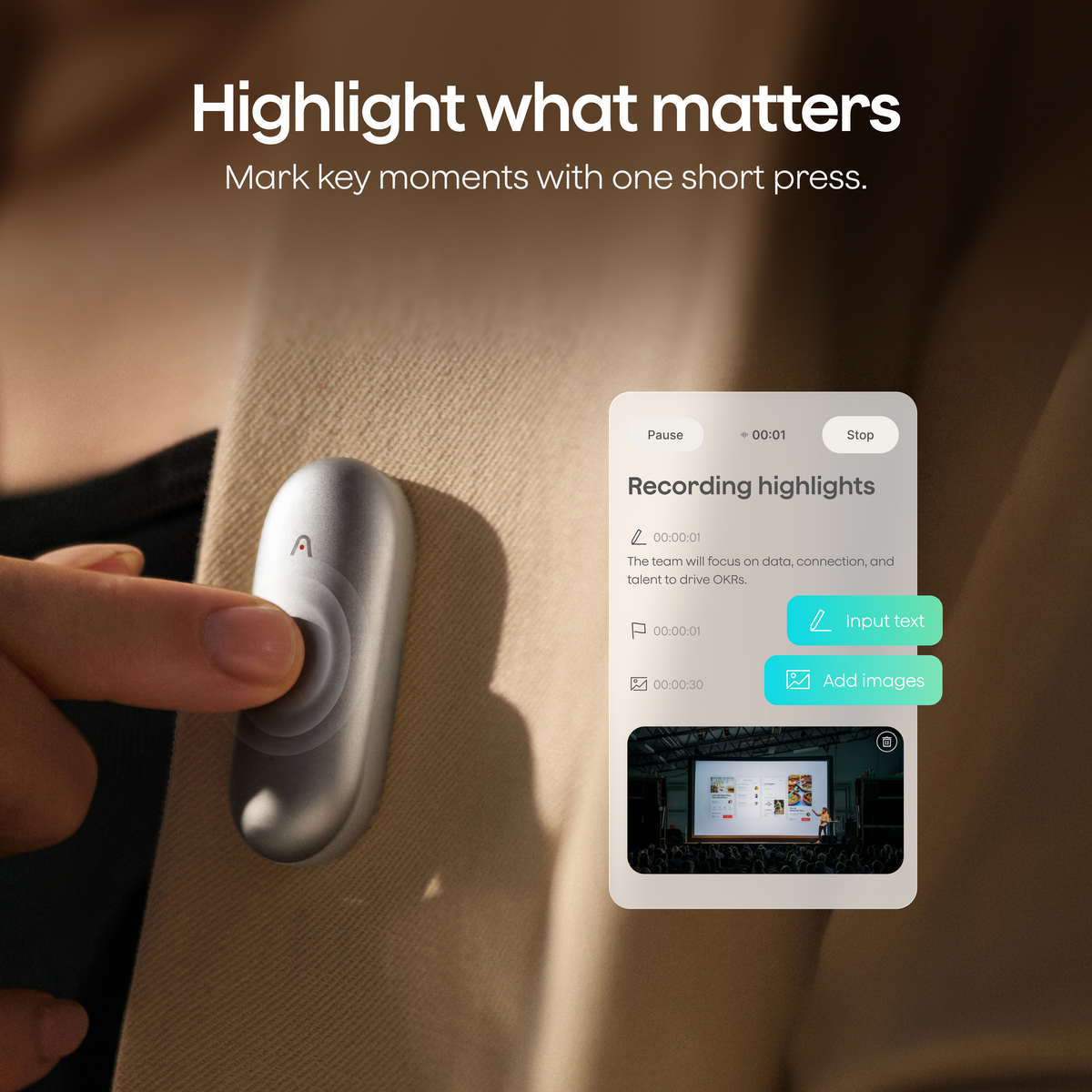
Também pode tirar capturas de ecrã de diapositivos de apresentações, adicionar gráficos e mais, após o facto, graças às capacidades multimodais. Não pode fazer isso com o Pocket, por isso, se as suas palestras ou reuniões incluírem elementos visuais, as suas notas ficarão apenas parcialmente completas.
Finalmente, o Plaud organiza as suas notas de acordo com as suas necessidades (clínicas, legais, de marca, etc.) utilizando modelos que escolheu ou desenhou. Isto poupa muito tempo. Imagine não ter de organizar manualmente as suas notas em formatos aprovados pela empresa ou prontos para conformidade.
Na aplicação, o Plaud transforma tudo o que grava numa base de dados de conhecimento pesquisável, o que importa quando está a rever reuniões semanas depois ou a extrair conhecimentos mais profundos de várias gravações. O Pocket faz um trabalho decente a resumir pensamentos e a gerar pontos de ação, mas vem com muito menos ferramentas de produtividade (basicamente nenhuma no plano gratuito).
Gravação de chamadas
Vencedor: Empate
Ambos os dispositivos conseguem lidar bem com a gravação de chamadas. Se houver vários oradores numa chamada, o Plaud seria a melhor opção, a menos que esteja a pagar pelo plano Pro do Pocket.
O Plaud e o Pocket têm microfones diferentes, mas ambos são ideais para gravar chamadas telefónicas.
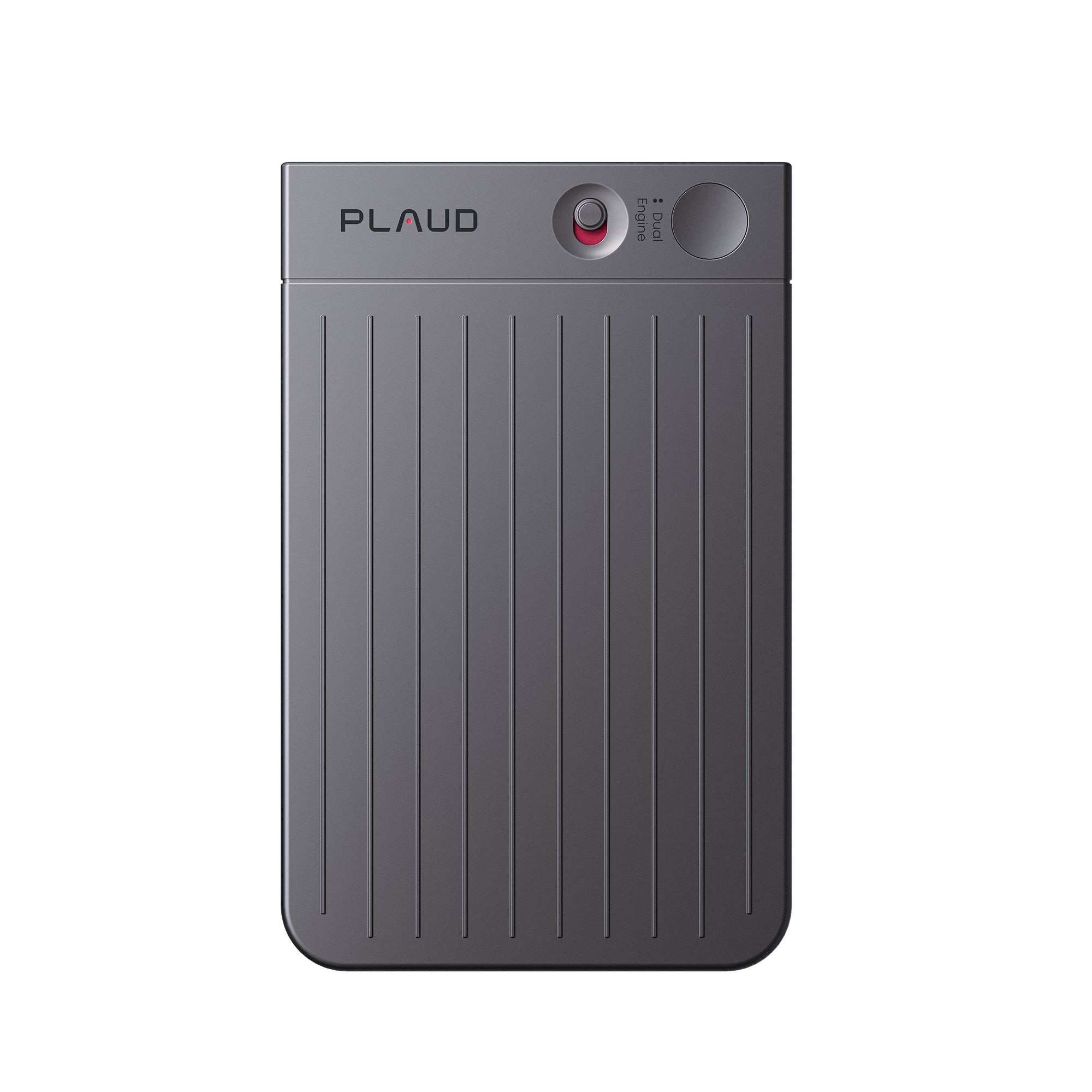
O Plaud tem gravação de modo duplo, por isso basta deslizar um interruptor para mudar o modo de gravação de gravação presencial para gravação de chamadas telefónicas. O modo de gravação de telefone utiliza um sensor de condução por vibração (VCS) para capturar áudio claro a partir de vibrações em vez do altifalante do telemóvel. O microfone de contacto do Pocket funciona de forma semelhante.
Ambos os produtos incluem uma capa magnética que se prende ao seu telemóvel para gravação mãos-livres em movimento.
Aviso: Por favor, compreenda as leis de gravação no seu estado ou jurisdição antes de gravar chamadas telefónicas e informe as pessoas com quem está antes de gravar.
Resumo e transcrição
Vencedor: Plaud
Tanto o Plaud como o Pocket oferecem transcrição e resumos por IA. O Pocket oferece transcrições e resumos ilimitados como parte do seu plano gratuito, enquanto o Plaud oferece 300 minutos. O Pocket também cobre mais idiomas para transcrição (120+ vs 112 do Plaud). Mas o Plaud ainda sai a ganhar por causa da qualidade da sua saída.
As transcrições do Plaud são precisas e automáticas. Um crítico observou que gravar com o Plaud, mesmo numa "sala feia e mais ruidosa", produziu as "transcrições mais limpas". Também suporta etiquetas de orador, carimbos de data/hora e pesquisa no Plano Inicial Plaud.

O Pocket não transcreve automaticamente e não separa os oradores nem os etiqueta no plano gratuito. O Pocket também tem algumas críticas questionáveis sobre os resumos de IA. Um utilizador do Reddit observou: "Tive uma reunião casual de 20 minutos hoje... [O Pocket] apresentou 20 tarefas que são completamente ridículas."

O Plaud pode organizar resumos e notas da forma que desejar. Pode criar o seu próprio modelo ou escolher entre mais de 10.000 outros. O Pocket inclui apenas 5 estilos de resumo como parte do plano gratuito e mais de 100 se pagar.
Com o Plaud, só precisa de fazer upgrade se precisar de mais minutos (o Plano Plaud Pro custa cerca de 8 dólares por mês no preço anual para 1.200 minutos, e existe também um Plano Plaud Unlimited). Com o Pocket, obtém minutos de transcrição e resumos ilimitados, mas nenhuma das funcionalidades a menos que faça o upgrade por 20 dólares/mês.
Privacidade e segurança
Vencedor: Plaud
O Plaud foi concebido para ser utilizado por profissionais em áreas sensíveis, como a jurídica, a médica e a investigação. Possui armazenamento seguro no dispositivo e armazenamento na nuvem totalmente encriptado, com encriptação AES-256 em repouso e TLS 1.2+ em trânsito.
O Plaud possui certificação ISO 27001 (segurança da informação), ISO 27701 (gestão de informações de privacidade), SOC 2 Tipo II e EN 18031 (cibersegurança de equipamentos de rádio da UE). As suas práticas de privacidade estão alinhadas com o RGPD, suporta pedidos de direitos ao abrigo do CCPA e o tratamento de informações de saúde protegidas está estruturado para suportar fluxos de trabalho HIPAA. Pode consultar a lista completa no Centro de Confiança do Plaud.
O Pocket também encripta o seu armazenamento na nuvem e descreve a sua segurança como de nível empresarial. No entanto, à data em que este artigo foi escrito, não publica quaisquer certificações de segurança ou relatórios de auditoria de terceiros. Para trabalhos regulamentados, como documentação legal, notas clínicas ou aprovisionamento empresarial, essa lacuna é relevante, uma vez que a maioria das revisões de segurança exige provas em vez de uma descrição.
Vale também a pena ser preciso quanto a um equívoco comum: o HIPAA não tem um programa de certificação. Os fornecedores podem ser avaliados em relação aos requisitos HIPAA e assinar um acordo de associado comercial, mas ninguém é "certificado pelo HIPAA", incluindo nós.
Qualidade de áudio
Vencedor: Plaud
Ambos os dispositivos gravam áudio nítido, mas o hardware do Plaud foi construído para lidar com mais ambientes. O Plaud Note utiliza dois microfones MEMS com um alcance de captação de cerca de 3 m, e o Plaud Note Pro aumenta para quatro microfones MEMS com beamforming por IA e um alcance de cerca de 5 m, o que é a melhor escolha para salas de conferência e conversas de grupo.
O Pocket utiliza dois microfones de estúdio mais um microfone de contacto e anuncia um alcance de captação nominal maior, mas, na prática, está configurado para captação de curto alcance e ditado de um único orador. É ótimo para gravar as suas próprias notas ou uma aula se estiver perto da frente.
Preço
Vencedor: Empate
Isto depende realmente das suas necessidades. O Pocket ganha no custo inicial quando está com desconto, e não podemos negar que um preço promocional de 99 dólares é mais barato do que 159 dólares. O seu preço de tabela é de 199 dólares, pelo que a diferença depende do momento da compra.
No entanto, o Plaud Note ganha se quiser realmente funcionalidades de IA sem pagar todos os meses. O preço mais baixo do Pocket parece atraente, mas a maioria das ferramentas úteis encontra-se por detrás de uma subscrição. O Plaud custa mais inicialmente, mas inclui um conjunto abrangente de funcionalidades de IA para utilização a longo prazo.
Se transcrever 20 horas por mês ou menos, um dispositivo Plaud Note acabará por lhe poupar muito dinheiro.
Reputação
Vencedor: Plaud
O Plaud tem um historial muito mais longo. Mas, para sermos justos, já existe há mais tempo do que o Pocket.
Desde 2023, o Plaud foi utilizado por mais de 2,5 milhões de pessoas a nível mundial em mais de 170 países, com mais de 2 milhões de dispositivos enviados para todo o mundo.

O Plaud detém uma pontuação de 4,7 no Trustpilot, o site de avaliações independente, e 4,6 em 5 no G2, onde utilizadores empresariais verificados avaliam software e hardware. A Forbes destacou os dispositivos Plaud como um destaque na categoria.

O Pocket foi lançado em 2026 e cresceu rapidamente, com fortes classificações dos próprios consumidores. O que ainda não tem é um historial com compradores empresariais: não existe presença relevante no G2, nem auditorias de segurança publicadas, nem um histórico de vários anos de implementações empresariais a apontar. Se comprar um dispositivo para si, isso pode não importar. Se comprar para uma equipa, normalmente importa.
Existem alternativas ao Plaud e ao Pocket?
O Plaud não é a única opção disponível, e também não é a opção mais barata. Se apenas precisa de notas básicas ou está a experimentar a tomada de notas com IA pela primeira vez, uma solução mais simples pode fazer mais sentido. Aqui estão algumas alternativas que vale a pena explorar, dependendo das suas necessidades.
Algumas alternativas ao Plaud e ao Pocket incluem:
- Limitless: Um pendente vestível com capacidades de gravação. O Plaud tem mais funcionalidades para empresas, como pode ver neste artigo de comparação. O Limitless foi adquirido pela Meta em dezembro de 2025 e deixou de vender o pendente nessa altura.
- Omi: O Omi é um dispositivo vestível de IA económico para capturar pensamentos rápidos e resumir conversas. É bom para tirar notas casuais, mas não oferece a mesma profundidade de modelos, organização ou fluxos de trabalho a longo prazo que o Plaud (para um dispositivo Plaud vestível que se prende à sua pulseira ou bolso da camisa, consulte o Plaud NotePin).
- Otter.ai: O Otter é um anotador de IA apenas de software. É uma opção muito popular para gravar reuniões online. Funciona bem com o Zoom e o Google Meet, mas não foi concebido para conversas presenciais. Pode até gravar reuniões do MS Teams com algumas aplicações integradas se quiser experimentar.
- REcolx: O REcolx é outro gravador de voz com IA baseado em hardware focado em transcrição básica, pontos-chave e análise. É bom a gravar em ambientes ruidosos, mas não tem tantas funcionalidades como o Plaud.
- Chimenote: O Chimenote é um gravador de voz e tradutor em tempo real com IA. É uma opção mais complexa e dispendiosa do que o Plaud ou o Pocket, mas se precisar de um tradutor básico além de um anotador, esta ferramenta pode ser útil.
- Fireflies: Uma das ferramentas mais populares para resumir reuniões e fornecer transcrições. Mas não é capaz de gravar reuniões presenciais e não oferece a mesma qualidade que o Plaud. Pode ler a nossa comparação completa aqui.
O veredito: Plaud vs. Pocket
A investigação e as avaliações mostram que o Plaud é um gravador de voz com IA melhor do que o Pocket. Somos tendenciosos, sim. Mas a verdade é a verdade.
O Plaud oferece mais funcionalidades, uma bateria mais forte e um plano gratuito muito mais abrangente do que o Pocket. Além disso, temos um historial mais longo de clientes satisfeitos e uma postura de segurança publicada que resiste à revisão empresarial.
O Pocket tem um preço inicial mais baixo, mas não terá acesso a quase nenhuma das suas funcionalidades avançadas de IA sem pagar 20 dólares por mês. E o Pocket faz coisas para o incomodar a pagar mais, como restringi-lo a exportações individuais no plano gratuito. Se grava frequentemente rajadas curtas, isso torna-se muito irritante.
Se tem de pagar 20 dólares por mês para utilizar realmente o Pocket, torna-se óbvio que este gravador não é nada acessível.
Mas, no fim de contas, a escolha entre o Plaud e o Pocket resume-se à frequência com que grava e ao que espera fazer com essas gravações.
- Escolha o Pocket se quer uma forma económica de capturar pensamentos, fazer listas rápidas ou resumir gravações curtas de um único orador. Desta forma, não terá de fazer um upgrade e será realmente barato. É uma pena, no entanto, que não consiga usar várias das coisas pelas quais pagou.
- Escolha o Plaud se grava e transcreve frequentemente e quer que as suas conversas se transformem em notas produtivas sem trabalho extra. É a melhor escolha para reuniões, entrevistas, chamadas, palestras e casos de utilização profissional onde a precisão importa. Mesmo no Plano Plaud Starter, obtém as principais funcionalidades do Plaud Intelligence, incluindo transcrição, resumos, mais de 10.000 modelos, etiquetas de orador, entrada multimodal e armazenamento ilimitado na nuvem.
Se quer utilizar as funcionalidades de IA do seu anotador de IA (quem é que não iria querer isso...?), o Plaud faz muito mais sentido.